




What Is a Cleanroom Door Interlock System? How 2026 GMP Overhauls Shape Air Barrier Controls in Modular Clean Room Environments
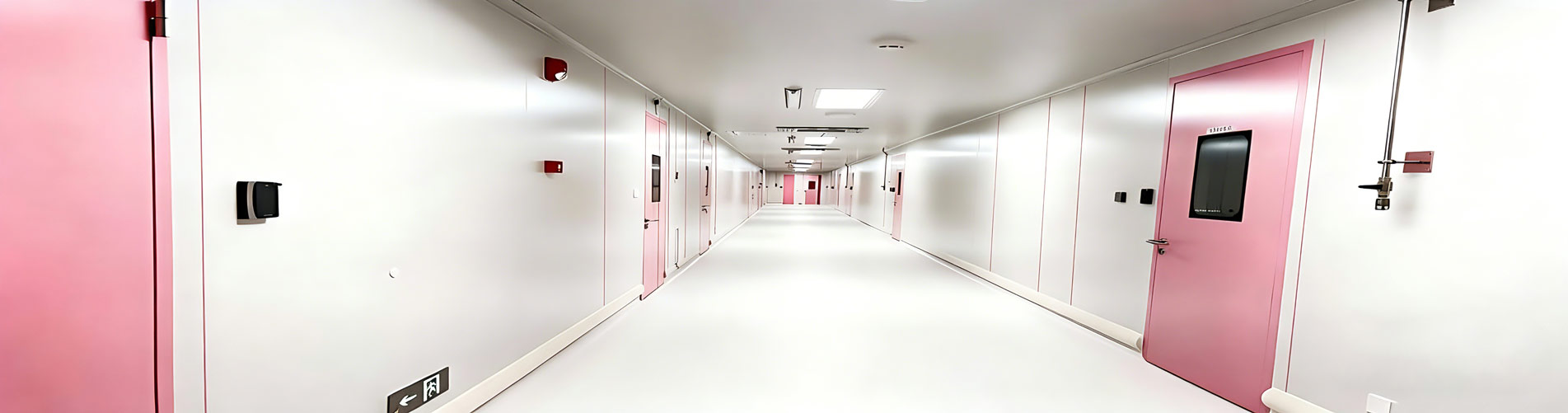
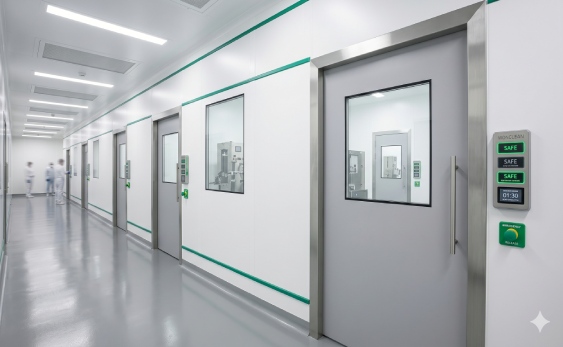
What is a cleanroom door interlock system and why has it become an absolute mechanical necessity for verifying pharmaceutical and semiconductor safety margins this year? Under the newly enforced 2026 international GMP Annex 1 revisions, preventing cross-contamination during high-frequency personnel movement requires a zero-fault dynamic airlock mechanism. Building a compliant modular Clean Room facility demands that every single flush-mounted cleanroom door assembly functions as an active physical valve rather than a simple barrier. To achieve these severe pressure sealing goals without experiencing costly factory balance drifts, procurement agents must collaborate directly with a trusted international cleanroom supplier and an experienced engineering cleanroom manufacturer to deploy micro-processor controlled electromagnetic latch systems that guarantee raw material buffer sectors remain continuously isolated from ambient contamination hazards.
Why Do 2026 GMP Airlock Standards Force Factory Owners to Upgrade Their Door Interlock Layouts?
In everyday factory operations, people often think a door is just for passing through. But in a controlled factory setting, a cleanroom door is a critical guard for air pressure. If two doors in an airlock are opened at the same exact time, all your treated clean air rushes out instantly. This destroys your pressure balance, ruins product batches, and leads to failed quality audits.
The 2026 updates strictly demand that no two interconnecting doors can be unlatched simultaneously during normal worker transit shifts. Upgrading your entry zones to an automated electronic lock system ensures that when door A is opened by a worker, door B is locked hard automatically. This smart prevention method keeps your treated indoor atmosphere completely stabilized, avoiding massive cleanroom air conditioner energy waste and protecting fragile manufacturing lines.
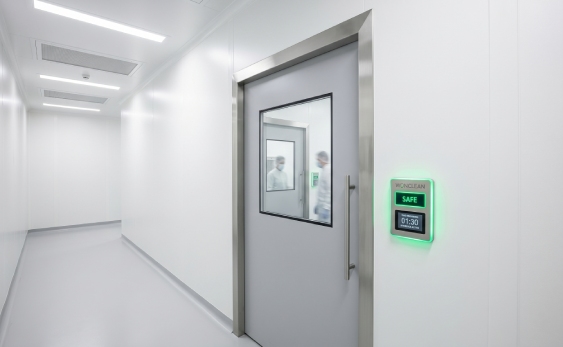
Which Operational Features Determine the Quality of a Reliable Cleanroom Door Interlock System?
Choosing the right locking gear does not have to be difficult. To help factory buyers and facility owners make fast, confident purchase choices, this clear performance evaluation chart breaks down the standard everyday parameters you need to track before setting up new hardware.
| Cleanroom Lock Performance Feature | Standard Commercial Magnetic Locks | WONCLEAN 2026 Smart Interlock Systems |
|---|---|---|
| Door Control Multi-Linking | Controls only two doors maximum per single corridor | Links two, three, or four doors seamlessly in complex airlocks |
| Holding Force Power | Weak holding strength; doors can be pulled open by hand | Strong holding force up to 280 kilograms to stop forced pulling |
| Visual Status Light Signals | No indicators or small hidden single-color lights | Bright clear red and green LED lights showing if door is safe to open |
| Emergency Release Safety | Stuck tight during power cuts or requires key manual unlocking | Instantly drops all magnetic power to open doors free during emergencies |
| Working Sound Levels | Loud metallic clicking noises every time latch moves | Whisper quiet operation under 45 decibels for pleasant workspaces |
| Surface Housing Finish | Exposed screws and deep metal cracks that trap heavy dust | Completely flush stainless steel surface that is easy to wipe clean |
| Installation & Wiring | Messy loose hanging cables requiring heavy maintenance | Clean plug and play wiring clips for quick tool-free setup |
How Do Micro-Processor Controllers Manage Multi-Door Traffic Without Creating Room Pressure Drops?
What Is a Dynamic Airlock Buffer Zone in Cleanroom Engineering?
In professional facility design, an airlock buffer zone is a specialized room between a dirty hallway and a pristine manufacturing cleanroom. It works exactly like a shipping canal lock, but handles air instead of water. The cleanroom door interlock system is the smart brain of this buffer zone. By preventing simultaneous door unlatching, the system stops cross-zone wind drafts. This allows the primary air conditioner to maintain its strict step-down pressure layout, keeping clean zones safe from raw dust migration.
How to Calculate the Safe Door Open Delay Time to Save Filter Lifespans?
A common mistake in busy factories is setting the door locking timer too short or too long. If the timer is set wrong, workers will yank on the handles constantly, burning out the inner magnets. The ideal timing calculation follows a simple operation speed link: Safe Waiting Delay = Personnel Transit Time (usually two to four seconds) + Air Pressure Recovery Period (typically three seconds). Setting your smart controller panel to a clean six-second buffer allows the indoor air changes per hour system to fully scrub down incoming turbulent air before the next door can be unlatched. This simple timing choice stops dirty air bypass leaks and keeps expensive ceiling air filters running smoothly for many years.
Which Safety Overrides Are Mandatory for Industrial Electronic Interlock Approval?
Production safety is just as critical as air cleanliness. A high-quality cleanroom door interlock system must follow global fire safety rules. In a real emergency situation like a smoke alarm or sudden main power loss, the entire locking network must fail-safe instantly. This means all magnetic locks must drop their electric holding power completely within less than half a second, allowing workers to push any cleanroom door wide open to escape safely.
Furthermore, modern systems incorporate localized break-glass buttons or green mushroom emergency cut-off switches mounted right next to the door frames. This provides an absolute manual fallback option if the central automated control board ever suffers a local hardware short-circuit, ensuring your staff are never trapped inside a pressurized clean room box.


 บริการออนไลน์

