คุณกำลังมองหาอะไร?
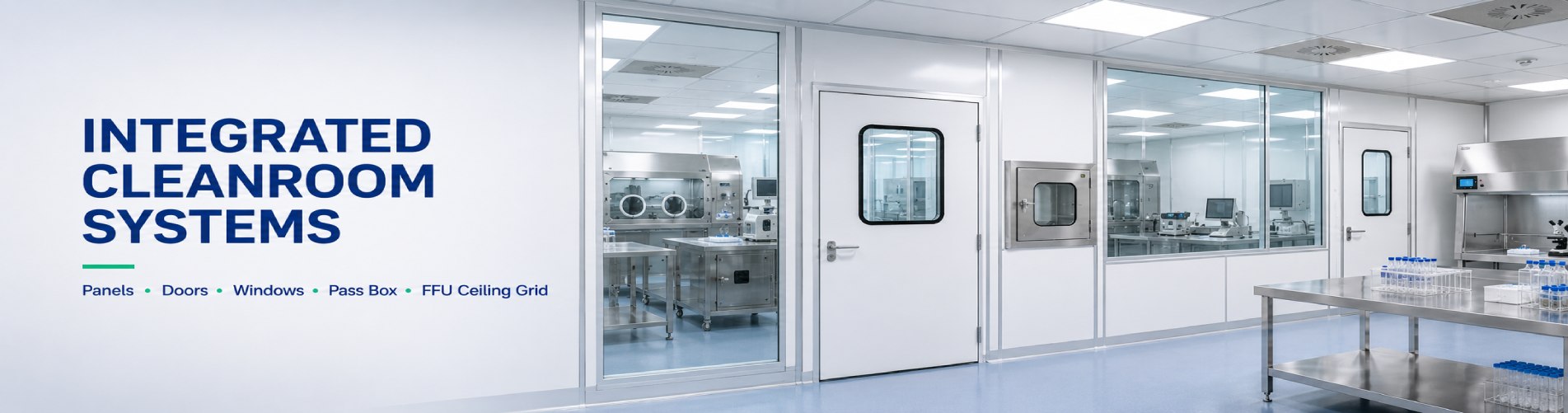
Technical Deployment Guide | Mobile Pharma Cleanroom
A mobile or containerized pharma cleanroom can add controlled capacity quickly, but speed does not remove the need for ISO classification, GMP risk review, HEPA filtration, pressure cascade, utilities, cleaning access and documented qualification after transport and installation.
mobile pharma cleanroom containerized cleanroom ISO compliant cleanroom cleanroom pressure control
| ISO ClassDefine particle limits and operating state before fabrication. | PressureProtect clean zones with controlled leakage and door logic. | UtilitiesPlan power, HVAC, drains, alarms and service access. | IQ/OQReconfirm performance after shipping and site connection. |
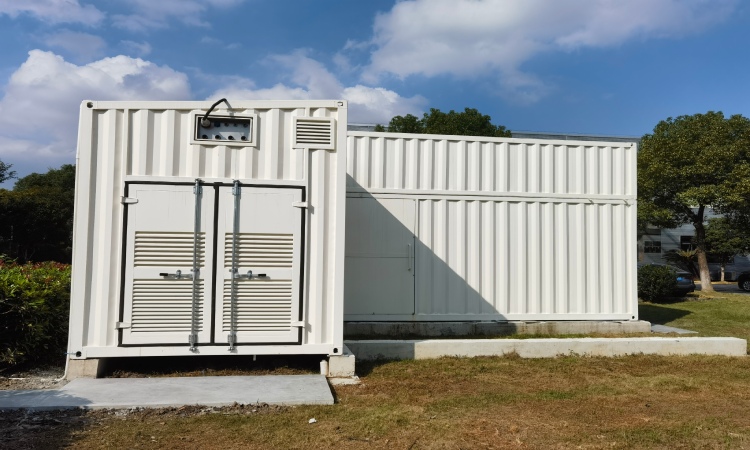
Containerized cleanrooms are valuable for pilot manufacturing, temporary pharma capacity, regional supply support, laboratory overflow and fast project schedules. The engineering challenge is to make a movable package behave like a qualified cleanroom once it is placed, connected, balanced and operated.
Deployment Logic
The first document for a mobile pharma cleanroom should not be a container drawing. It should be a user requirement specification that defines the process, product exposure, cleaning method, room occupancy, material route, waste route, monitoring needs and acceptance criteria.
EU GMP Annex 1 emphasizes contamination control strategy for sterile manufacturing. Even when a containerized room is used for support, sampling, component preparation or temporary capacity, the design should show how contamination routes are controlled.
Wonclean should freeze the layout, HVAC concept, wall and ceiling interfaces, doors, pass boxes, pressure cascade, utility penetrations and qualification responsibilities before the module leaves the factory.
ISO Class and Airflow
ISO 14644-1 classifies cleanrooms by airborne particle concentration. A mobile cleanroom should define whether the acceptance state is as-built, at-rest or operational. This matters because a small container has limited volume and operator movement can quickly change airflow behavior.
ACH is useful for sizing airflow, but it does not prove ISO class alone. The design must consider HEPA filter location, return path, heat load, door leakage, pressure differential, recovery expectation and the number of operators or carts inside the module.
| Design item | Risk if missed | Verification point |
|---|---|---|
| ISO class state | Particle results are not comparable between factory and site. | Define as-built, at-rest or operational testing. |
| Pressure cascade | Door openings and leaks can reverse intended airflow. | Measure room-to-room pressure and alarm response. |
| Installed filter integrity | Transport vibration can disturb seals or frames. | Perform installed filter leakage testing where specified. |
| Utility connection | Power, drains or condensate issues can affect cleanroom stability. | Verify connection checklist during SAT/IQ. |
HVAC and Utilities
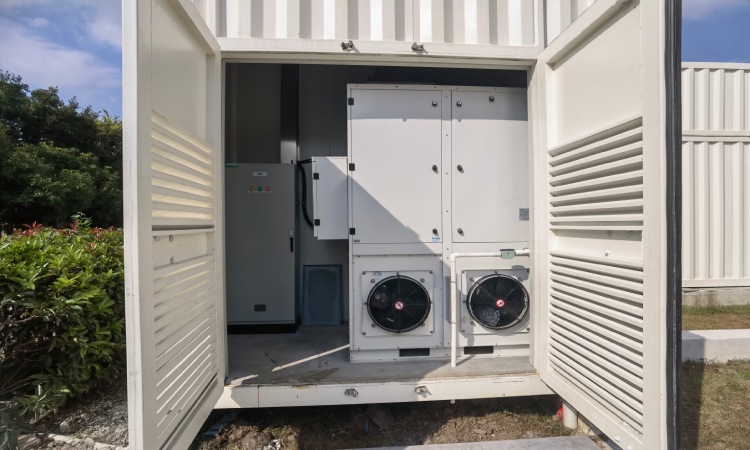
A containerized pharma cleanroom needs more than clean panels and HEPA filters. The utility package should define electrical load, backup strategy where required, cooling or chilled-water interface, condensate control, exhaust needs, pressure sensors, alarms, lighting, emergency access and service clearances.
ISO 14644-3 covers cleanroom test methods such as airflow, pressure difference and installed filter system leakage tests. The practical implication is simple: if equipment is inaccessible, testing and maintenance will be inconsistent.
For mobile deployment, HVAC components should be protected from weather, accessible for filter changes and service, and isolated from the clean zone wherever practical. Service work should not require unnecessary opening of qualified rooms.
Transport and Qualification
A mobile cleanroom may be factory assembled and factory inspected, but transport, lifting, leveling and site connection can change the condition of filters, seals, doors, panels, dampers and sensors. Factory acceptance testing should therefore be paired with site acceptance, installation qualification and operational checks.
ISO 14644-4 addresses cleanroom design, construction and start-up. For containerized cleanrooms, start-up should include leveling, damage inspection, door operation, pressure setpoint confirmation, airflow balancing, filter leakage testing where specified, particle testing and alarm challenge.
The module should arrive with drawings, material data, filter list, instrumentation list, wiring interface, HVAC schedule, cleaning guidance, spare parts and test records. These documents make future relocation or change control easier.
Technical Fact Check
| Fact used | Source | Design implication |
|---|---|---|
| Cleanroom class is based on airborne particle concentration. | ISO 14644-1 | A containerized room still needs particle testing under a defined state. |
| Cleanroom tests can include airflow, pressure difference and installed filter leakage methods. | ISO 14644-3 | The module must allow access for balancing, testing and maintenance. |
| Design, construction and start-up are linked in cleanroom delivery. | ISO 14644-4 | Factory assembly should feed site start-up and qualification records. |
| Sterile manufacturing guidance emphasizes contamination control strategy. | EU GMP Annex 1 | Mobile capacity should still define contamination routes and controls. |
Referenced Standards
FAQ
Yes, if the room is engineered, installed and tested for the required ISO class under the agreed occupancy state. Container construction alone does not prove ISO performance.
No. Factory testing is valuable, but transport and site connection can affect filters, seals, airflow and pressure. Site acceptance, IQ and OQ-style checks should still be performed.
Plan power, HVAC or cooling interface, condensate, exhaust where required, alarms, pressure monitoring, lighting, access control, drains if needed and maintenance clearance.
It depends on process risk, grade requirement, contamination control strategy, aseptic technology, monitoring plan and regulatory expectations. A qualified quality and validation team should define the acceptance criteria.
Wonclean Engineering Note
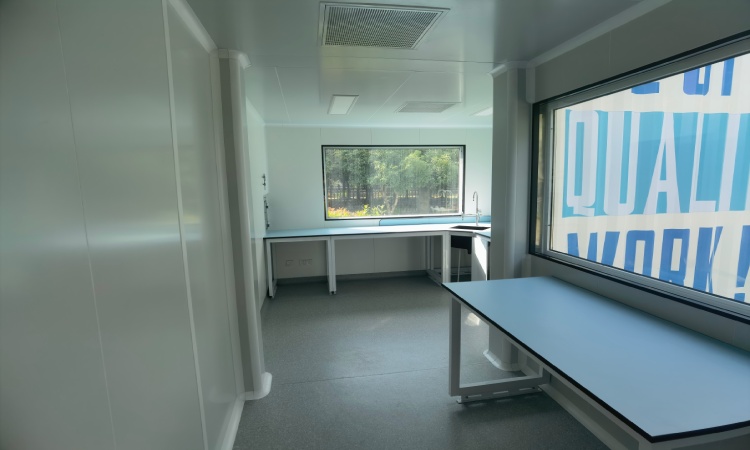
A fast-deployment cleanroom should not be a shortcut around cleanroom engineering. The best mobile systems combine cleanable wall and ceiling panels, controlled airflow, serviceable HVAC, pressure monitoring, documented interfaces and site qualification readiness.
Useful Wonclean references: modular cleanroom, cleanroom wall system, cleanroom ceiling system, fan filter unit, cleanroom door, contact Wonclean.

 Room JT30151, Building 4, Area B, No. 925 Yecheng Road, Industrial Zone, Shanghai,China
 Info@wonclean.com
Allen@wonclean.com
Joy@wonclean.com
Info@wonclean.com
Allen@wonclean.com
Joy@wonclean.com
 +86 13671979988(Allen)+86 15950938878(Joy)


 บริการออนไลน์

